
How Much Does It Cost to Install Solar Panels in Nigeria? (2026 Price Breakdown)
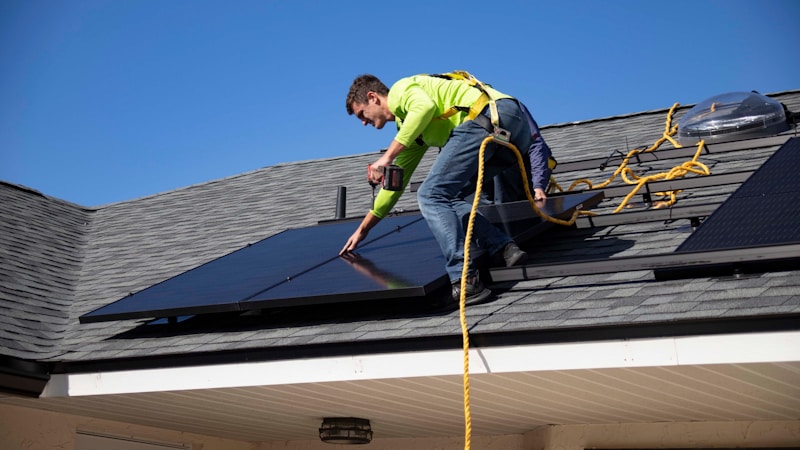
Complete 2026 breakdown of solar panel installation costs in Nigeria — from ₦300,000 apartment setups to ₦5,000,000+ full home systems. Real prices for panels, inverters, batteries, and professional installation.
Understanding Solar Panel Costs in Nigeria — 2026 Reality
"How much will it cost to install solar panels for my house?" It's the most common question we get at Buy Solar Generators, and the honest answer is: it depends. On your power needs. On your roof space. On whether you want a basic backup system or full energy independence.
Here's the good news: solar panel prices in Nigeria have dropped by over 40% in the last 3 years. What cost ₦2,000,000 in 2023 now costs around ₦1,200,000 for the same capacity. Better technology, more competition, and improved local supply chains are making solar affordable for more Nigerian homes than ever before.
This guide gives you real, current (2026) prices for every component — panels, inverters, batteries, charge controllers, mounting structures, cables, and professional installation. No estimates, no foreign currency conversions, no surprises.
Small Apartment / Self-Contain Setup — ₦300,000 to ₦500,000
Best for: Self-contain apartments, single rooms, students, young professionals in Lagos and Abuja. Basic backup for lights, phone charging, and a small fan during outages.
| Component | Specification | Price (₦) |
|---|---|---|
| Solar Panel | 1 × 200W Monocrystalline | 85,000 |
| Inverter | 1kVA Pure Sine Wave | 120,000 |
| Battery | 100Ah AGM Deep Cycle | 120,000 |
| Charge Controller | 20A PWM | 15,000 |
| Mounting + Cables | Roof brackets, 4mm² cable, MC4 connectors | 40,000 |
| Installation Labour | 1-day professional install | 30,000 – 50,000 |
| TOTAL | ₦410,000 – ₦430,000 |
What this powers: 4–6 LED bulbs, 2 phone chargers, 1 laptop, 1 standing fan, WiFi router. Runtime: 4–6 hours daily. Payback period: About 2 months compared to running a small generator.
Medium Family Home Setup — ₦800,000 to ₦1,500,000
Best for: 2–3 bedroom flats, small families who want to keep the lights, TV, fans, and fridge running through most outages.
| Component | Specification | Price (₦) |
|---|---|---|
| Solar Panels | 4 × 300W Monocrystalline | 380,000 |
| Inverter | 3kVA Pure Sine Wave (e.g., Luminous) | 280,000 |
| Batteries | 2 × 200Ah LiFePO4 | 900,000 |
| Charge Controller | 60A MPPT | 55,000 |
| Mounting + Cables | Aluminum rails, 6mm² cable, breakers | 100,000 |
| Installation Labour | 2-day professional install (2-man team) | 80,000 – 120,000 |
| TOTAL | ₦1,795,000 – ₦1,835,000 |
What this powers: 10+ LED bulbs, 2–3 fans, 43" TV, fridge (150–200L), 2 laptops, WiFi, phone charging. Runtime: 8–12 hours on battery, plus full daytime operation from panels. Payback period: 7–8 months vs fuel generator.
Large Home / Full Off-Grid Setup — ₦2,500,000 to ₦5,000,000+
Best for: 4-bedroom homes, families wanting near-complete energy independence. Can run air conditioners, washing machine, and electric cooker during daytime.
| Component | Specification | Price (₦) |
|---|---|---|
| Solar Panels | 10 × 400W Monocrystalline | 1,500,000 |
| Inverter | 5kVA Hybrid (e.g., Felicity, Luminous) | 850,000 |
| Batteries | 4 × 200Ah LiFePO4 (48V bank) | 1,800,000 |
| Charge Controller | 100A MPPT | 120,000 |
| Mounting + Cables | Galvanized steel, 10mm² cable, distribution board | 250,000 |
| Installation Labour | 3–4 day professional install (3-man team) | 200,000 – 300,000 |
| TOTAL | ₦4,720,000 – ₦4,820,000 |
What this powers: Entire 4-bedroom home — all lights, 4+ fans, 2 TVs, 2 fridges, deep freezer, washing machine, microwave, 3 laptops, all phones, WiFi, and 1–2 air conditioners during daylight hours. Payback period: 18–24 months vs fuel generator. After that, it's pure savings for 10+ years.
5 Ways to Save Money on Your Solar Installation in Nigeria
- Start Small and Expand: Solar systems are modular. Begin with a basic setup (2 panels, 1 battery) and add capacity as your budget grows. You don't need to buy everything at once. Start with ₦500,000 and expand to ₦1,500,000 over 6–12 months.
- Choose Polycrystalline Panels for Budget Builds: Polycrystalline panels are 10–15% cheaper than monocrystalline. They're slightly less efficient (18% vs 21.5%), but in Nigeria's strong sun, the difference is minimal. Great for budget-conscious installations.
- AGM Batteries for Starter Systems: LiFePO4 is better long-term (lasts 4–5x longer), but AGM deep-cycle batteries cost 60–70% less upfront. If you're on a tight budget, start with AGM and upgrade to LiFePO4 in 2–3 years when the AGM batteries need replacement.
- Self-Install the Mounting Structure: If you're handy with tools, you can install the roof mounting rails and brackets yourself and only hire a licensed electrician for the AC wiring and inverter connection. This can save ₦50,000–₦100,000 on installation costs.
- Buy Complete Kits: Many suppliers (including us) offer pre-configured solar kits with all components matched and tested to work together. Kits are typically 5–10% cheaper than buying components separately and eliminate compatibility headaches.
Frequently Asked Questions About Solar Panel Installation in Nigeria
How long does solar panel installation take?
A basic 1–2 panel setup with one battery takes 1 day (6–8 hours). A medium 4-panel setup takes 2 days. A large whole-home 10-panel system takes 3–4 days including mounting, wiring, and testing. Weather permitting — installation pauses during heavy rain for safety.
Do I need government approval to install solar panels in Nigeria?
No — for residential rooftop installations. You do not need any permit or approval from NEPA, the local government, or any regulatory body to install solar panels on your private residence. For large commercial installations, check with your local DISCO about grid-tie requirements.
How long do solar panels last in Nigerian weather?
Quality monocrystalline panels last 25–30 years with output degrading very slowly (about 0.5% per year). After 25 years, they still produce at 80–85% of original capacity. Nigeria's climate — while hot — does not significantly accelerate panel degradation because panels are designed for outdoor exposure. Rain helps by keeping panels clean.
Can solar panels work during rainy season?
Yes — but at reduced output. On overcast days, panels produce 25–40% of their rated power. On heavy rain days, output drops to 10–20%. This is why your system design should include a battery bank sized to carry you through 1–2 days of poor weather. Even during rainy season, Nigeria gets enough sun for solar to be viable year-round.
Should I buy a complete kit or individual components?
For first-time solar buyers, we recommend complete kits. They eliminate compatibility issues, come pre-configured, and are 5–10% cheaper than buying separately. For experienced users who want to customise every component, individual selection gives more control. Either way, always buy from a trusted supplier with warranty support.
Ready to go solar? Browse our solar panel collection and complete solar kits — from entry-level setups to full off-grid systems. Free delivery on orders over ₦100,000. Nationwide delivery to all 36 states.
Related Articles
Best Solar Generator for Nigerian Homes in 2026 — Complete Buying Guide
Looking for the best solar generator for your Nigerian home? We compare top brands, sizes, and prices to help you make the right choice for reliable backup power during NEPA outages. From budget-friendly 200Wh units to whole-home 2000Wh+ power stations.